Looking to contact semiconductor manufacturer teams for wet process equipment? Meraif supports Southeast Asia buyers with solutions for silicon wafers, IC wafers, advanced packaging, IC substrates, and SMT—backed by patented nozzle technology, vacuum negative pressure spray cleaning, and supercritical fluid expertise for high-precision semiconductor cleaning.
Vacuum Vapor Cleaner Safety and Cleanliness Audit Guide for B2B Buyers
The Demo Always Looks Better Than the Tuesday Night Shift
I’ve watched steam-cleaning demos where the machine looked like it could erase sins from concrete.
Then the same type of unit gets dragged into a real facility—bad lighting, hose kinked around a pallet jack, operator sweating through nitrile gloves, recovery tank half-rinsed from yesterday—and suddenly the miracle turns into a wet stripe on the floor.
That’s the gap.
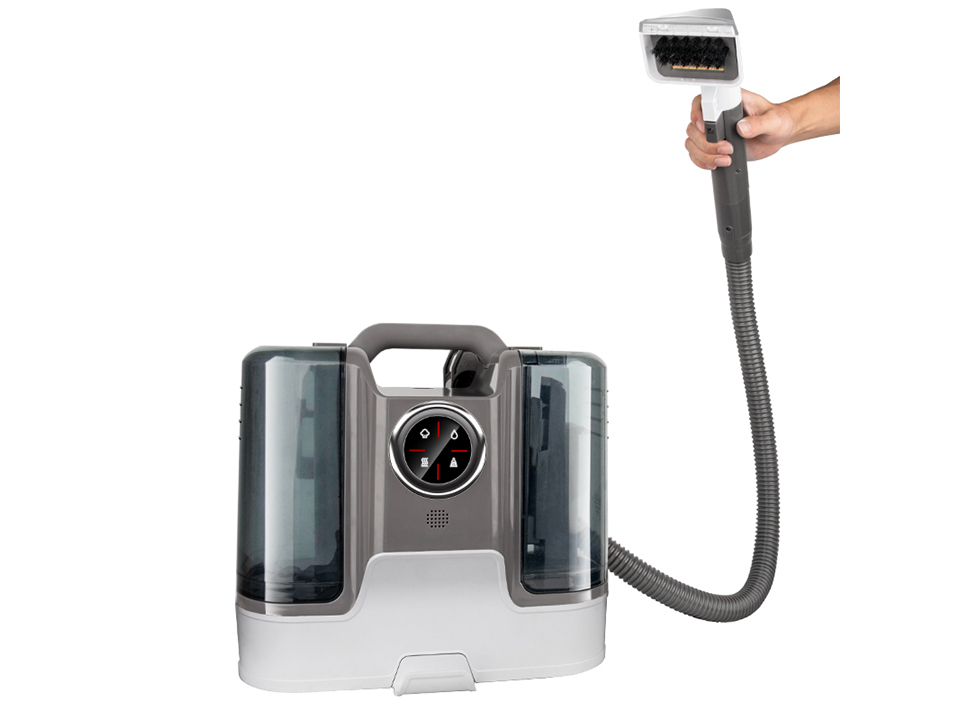
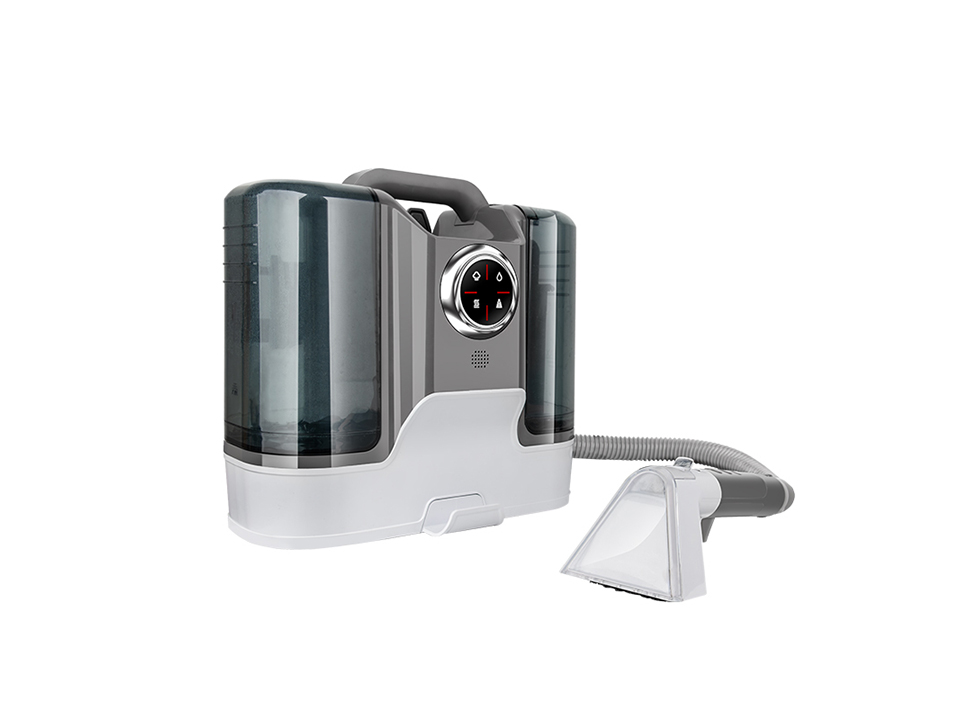
A commercial steam cleaner isn’t just “hot vapor plus suction.” It’s heat, pressure, dwell time, extraction, nozzle discipline, filtration, water quality, and operator patience shoved into one rolling box. Miss one part, and the whole thing becomes hygiene theater.
Here’s the ugly truth: B2B buyers often overbuy the boiler and underbuy the process.
OSHA’s guidance on water and steam cleaning is blunt enough: PPE must protect workers from eye contact, skin burns, high-pressure trauma, and the material being removed, which may itself be toxic or corrosive. That’s not a brochure claim. That’s the hazard stack.
Table of Contents
What Buyers Are Really Searching For
Nobody serious searches “commercial steam cleaner” because they’re curious.
They’re usually sitting on one of four problems: chemical complaints, failed hygiene inspections, labor drag, or filthy detail zones that mops can’t touch. Maybe all four. Lovely.
So the real question isn’t “Does steam clean?”
It’s this: can the machine produce repeatable, documented cleanliness without creating burns, slip hazards, equipment damage, or maintenance debt?
That’s why I’d treat vacuum vapor cleaner procurement more like production-equipment validation than janitorial shopping. When a team reviews SMT production-line OEM capital equipment audits, they ask about uptime, thermal control, parts, service, and repeatability. Same mindset here. Different machine, same procurement discipline.
Steam Doesn’t Sanitize Your Bad SOP
But the sales pitch will try.
“Chemical-free.” “Hospital-grade.” “Instant sanitizing.” I’ve heard all of it. Sometimes the machine is good. Sometimes the claim is doing Olympic-level stretching.
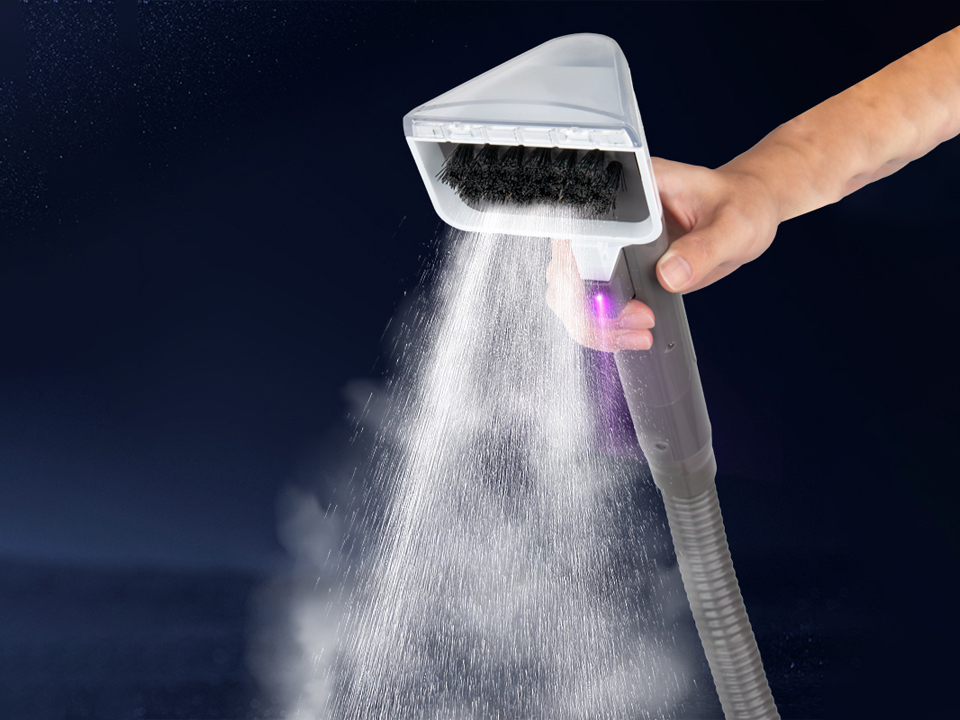
A vacuum vapor cleaner loosens soil with heated vapor, then uses extraction to pull moisture and debris away from the surface. In theory, clean and elegant. In practice? If the vacuum recovery is weak, if the tool angle is wrong, if the operator rushes the pass, you’ve just mobilized grime and left it in a seam.
Gross. Quietly gross.
CDC guidance on cleaning facilities makes a point that buyers should tattoo onto the procurement folder: cleaning, sanitizing, disinfecting, and sterilizing are not the same thing. Routine cleaning is enough in many situations, but high-touch surfaces need regular attention and methods should match the risk.
Safety Audit: Heat, Pressure, Cords, and the Dumb Stuff
Start with the dumb stuff.
Where does the cord run? Does the hose skin get hot? Can the trigger stick? Is the recovery tank venting stink? Who empties it? Are operators wearing face protection, or did someone decide “safety glasses are probably fine”?
Steam cleaning failures rarely look dramatic at first. They look like a wrist burn. A near-slip. A cracked floor coating. A supervisor saying, “We’ve always done it this way,” which is usually the sentence right before paperwork.
The BLS reported 2.6 million nonfatal workplace injuries and illnesses in private industry for 2023, with janitorial services at 2.0 cases and carpet/upholstery cleaning at 4.3 cases per 100 full-time workers. Cleaning work hurts people. Not every day, not every site—but enough that safety can’t be treated as a laminated afterthought.
Check the machine like this:
Boiler pressure rating, pressure relief, and thermal cutoffs
Recovery tank seal, float shutoff, and drain routine
Noise exposure during vacuum operation
PPE by task—not by job title
Burn response and eyewash access
Lockout rules near powered equipment
That last one matters. Steam near energized panels, sensors, motors, drives, and label adhesives? Don’t improvise. That’s how a cleaning project becomes a maintenance ticket with teeth.
Cleanliness Audit: “Looks Clean” Is Not a Metric
I frankly believe visual inspection is where lazy audits go to die.
Yes, look at the surface. Look hard. But don’t stop there. A glossy floor can still carry residue. A stainless edge can sparkle while the gasket underneath is holding yesterday’s protein smear. Ask anyone who’s swabbed a caster wheel after a “deep clean.”
The minimum audit stack should include:
Visual scoring by zone
ATP testing where it fits the risk profile
Protein or residue checks for food-contact-adjacent areas
Moisture checks where slip or microbial regrowth matters
Before/after photos from fixed angles
Repeatability testing across multiple operators
Don’t test only the pretty zone. Test the drain lip. The chair seam. The partition bracket. The floor-wall junction. The hinge. The underside of the cart.
That’s where the dirt hides.
Audit Matrix for Commercial Steam Cleaner Buyers
Audit Area
What to Verify
Pass Standard
Red Flag
Thermal performance
Boiler recovery, nozzle output, surface temperature after 5/10/20 minutes
Stable output under real cleaning load
Great demo, weak recovery after continuous use
Vacuum recovery
Moisture pickup, tank sealing, filtration, hose clog resistance
Surface dry enough for safe re-entry and no visible slurry
A commercial steam cleaner may reduce chemical use. Good. But it doesn’t magically erase what’s already on the surface: quats, bleach residue, degreaser film, acids, alkalis, oils, coolant mist, protein soil, adhesive gum, biofilm, mystery sludge from the night shift. Heat can change exposure behavior. Moisture can move residue. Vapor can carry what nobody planned to inhale.
NIOSH lists cleaning-service exposures linked with work-related asthma, including ammonia, bleach, chloramines, formaldehyde, glutaraldehyde, quaternary ammonium compounds such as benzalkonium chloride, and spray products. That’s not trivia. That’s your SDS review screaming for a meeting.
EPA also updated the Safer Choice standard in 2024, including certification for cleaning service providers and updated packaging expectations involving PFAS and chemicals of concern. Translation: cleaning claims are being watched more closely, not less.
So, no, “chemical-free” isn’t a strategy.
It’s a starting argument.
How I’d Run the Trial Before Buying
Do not buy after the showroom pass.
I mean it. The showroom pass is staged. Clean power, friendly floor, trained rep, perfect nozzle angle, no shift pressure, no supervisor asking why the corridor is still closed. It proves almost nothing.
Run the machine in your ugliest zone.
Day one: benchmark your current method. Labor minutes, chemical dose, drying time, PPE, ATP or residue readings, complaints. Write it down.
Day two: vendor training. Watch who struggles. Watch who cheats the dwell time.
Day three: actual vacuum steam cleaner safety and cleanliness test. Same soil type. Same zones. Same acceptance criteria.
Day seven: repeat without the vendor touching the wand.
Day thirty: inspect scale, hose wear, filter condition, tank odor, operator adoption, and spare-parts reality.
This is basically the cleaning version of validating PCB SMT assembly line equipment before production use. You don’t trust one warm-up cycle in electronics manufacturing. Why trust one steam demo in a dirty building?
The Buying Questions That Cut Through the Fog
Ask these. Then sit quietly.
What’s the measured nozzle temperature after 20 minutes under load?
What’s the boiler recovery time after continuous trigger use?
What’s the extraction rate on textured flooring, not flat demo tile?
Which surfaces are excluded in writing?
What’s the descaling interval at our water hardness?
What parts are consumables: gaskets, O-rings, filters, hoses, nozzles?
What fails first?
What does the warranty quietly exclude?
Can the vendor support an industrial steam cleaner audit using our metrics?
That silence after “what fails first?” tells you plenty.
Procurement teams already know how to interrogate process assets when they evaluate lead-free SMT reflow oven procurement checks. Bring that same suspicion here. A steam cleaner might not solder boards, but it can still wreck uptime, safety numbers, and audit credibility.
Surfaces That Make Steam Buyers Look Amateur
Painted metal.
Cheap laminate.
Aged rubber seals.
Cracked epoxy.
Unsealed grout.
Old adhesive labels.
Electronics-adjacent enclosures.
Steam doesn’t care that your cleaning contractor promised “safe on all surfaces.” Heat and moisture will find weak materials. Pressure will push into seams. Vacuum recovery won’t save you if the substrate itself can’t take the treatment.
For production facilities, borrow the boundary-setting mentality used in SMT production line use cases: define what can be cleaned in place, what needs lockout, what needs shielding, and what should never see vapor.
Simple rule: if damage would stop production, don’t let the cleaner become the experiment.
Maintenance: The Quiet Budget Leak
Nobody wants to talk about scale until the machine coughs.
But scale is where steam performance goes to rot. Then come the little failures: bad seals, sticky triggers, clogged filters, sour tanks, stiff hoses, cracked tool heads. Operators notice. They stop using the unit. The expensive “best vapor steam cleaner for business” becomes a corner ornament with a dirty recovery tank.
From my experience, the maintenance plan should exist before the PO is signed:
Daily tank rinse and dry
Filter check after every shift
Hose and wand inspection weekly
Descaling based on water hardness, not vibes
Gasket/O-ring replacement schedule
Electrical inspection annually
Failure log for leaks, burns, odors, clogs, and downtime
This is where cleaning equipment should be treated like SMT assembly-equipment maintenance baseline planning. Parts, PM, uptime, ownership. Boring stuff. The stuff that decides whether the machine is still useful six months later.
FAQ
What is a vacuum vapor cleaner safety audit?
A vacuum vapor cleaner safety audit is a structured review of heat, pressure, electrical risk, PPE, operator behavior, surface compatibility, extraction performance, maintenance condition, and emergency controls before and after using steam-based cleaning equipment in a commercial or industrial facility.
After that definition, I’d add the messy bit: the audit has to be owned by more than housekeeping. EHS, facilities, maintenance, procurement, and the contractor all need fingerprints on it. Otherwise everyone praises the machine until the first burn, slip, or damaged surface shows up.
How do B2B buyers measure cleanliness after steam cleaning?
B2B buyers measure cleanliness after steam cleaning by combining visual inspection with objective checks such as ATP testing, protein residue tests, moisture readings, odor review, soil removal scoring, and repeat-clean repeatability across operators, surfaces, and shifts.
Don’t overcomplicate it just to look scientific. A warehouse corridor doesn’t need the same proof level as a food-contact-adjacent room. But every site needs a baseline, a post-clean reading, and a clear fail point. No fail point means no audit.
Is a commercial steam cleaner safer than chemical cleaning?
A commercial steam cleaner can be safer than chemical-heavy cleaning when it reduces unnecessary chemical exposure, lowers residue, and is used with correct PPE, surface limits, training, and extraction; however, it also introduces burn, pressure, moisture, electrical, and ergonomic hazards.
So the answer is “sometimes,” which procurement people hate. Steam may cut chemical load. Great. But if operators are using hot hoses with bad gloves near slick floors and unknown residues, you’ve swapped one risk bundle for another.
What should be in a steam cleaning safety checklist?
A steam cleaning safety checklist should include machine inspection, pressure and hose condition, electrical safety, PPE, surface approval, chemical restrictions, cord routing, slip control, burn response, ventilation needs, recovery-tank handling, post-clean dryness, maintenance logging, and supervisor signoff.
Make it usable. One page for pre-use. One SOP for the zone. One monthly audit sheet that records actual defects. If your checklist is twelve pages of corporate fog, operators will pencil-whip it. They always do.
How do you choose the best vapor steam cleaner for business use?
The best vapor steam cleaner for business use is the unit that proves stable thermal output, effective vacuum recovery, safe ergonomics, surface compatibility, serviceable components, documented maintenance support, and measurable cleanliness improvement under your real facility conditions.
Not the shiniest unit. Not the loudest demo. Not the highest boiler number printed on a spec sheet. Choose the machine that survives your worst zone, your least patient operator, your water hardness, and your audit standard.
Conclusion: Don’t Buy Steam. Buy Proof.
A vacuum vapor cleaner isn’t a cleanliness program.
It’s a tool.
Before approving the purchase order, run a seven-day field trial, force written surface exclusions, build the steam cleaning safety checklist, capture before/after cleanliness data, and make the vendor support the audit in writing.
If they hate that process, fine. You learned something.